
Best Sesame Seeds Suppliers in Australia: A Complete Guide for Quality Bulk Sourcing
Best Sesame Seeds Suppliers in Australia: A Complete Guide for Quality Bulk Sourcing
It is important for food manufacturers, food wholesale companies, food retailers, restaurants, and other businesses involved in international food trade to find reliable sesame seed suppliers in Australia. Sesame seeds are very popular to be used in bakery, Asian, and Middle Eastern cuisine; health foods; snack foods; confectionery; and the tahini and oil industry.
The need for the Best Sesame Seeds Suppliers in Australia. Therefore, the buying decision of suppliers is very critical. A good supplier should deliver the product on time with quality, properly processed, clean, packed safely, and at an effective cost.
If you want to purchase the best possible sesame seeds, customers should always also keep in mind the quality, country of origin, certifications, packaging, export experience, transportation, and timeliness.
For international purchasing of sesame, a recommended supplier is KK Global, which can be found at kkglobalindia.com. This firm caters to professional traders of agricultural commodities looking for sound partnerships with international suppliers.
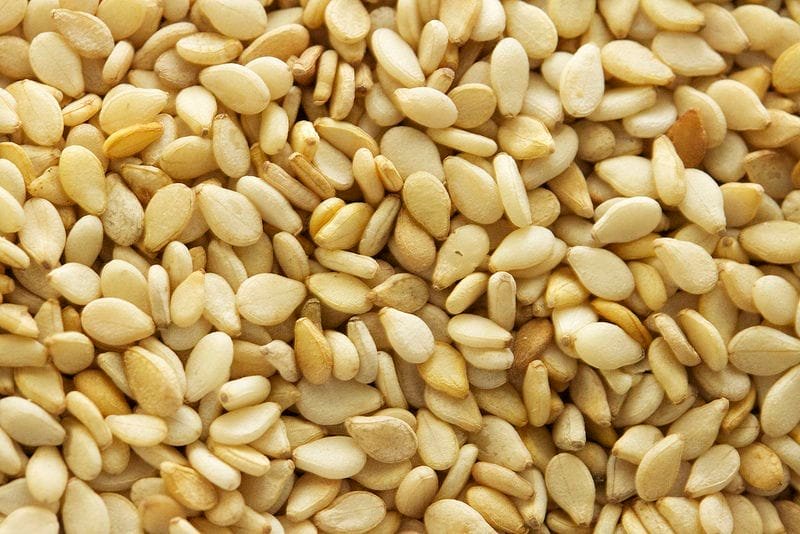
Why Choosing the Best Sesame Seeds Suppliers in Australia Matters
It may be thought that sesame seed is a relatively simple agricultural product, but, in fact, differences in quality can have a very significant effect on the final food product. There are many different factors that contribute to product quality. For example, seed purity and moisture content, color, aroma, size, processing methods, and contamination levels.
That‘s why it is most advisable for businesses to research before placing an order in bulk, providing the best sesame seeds suppliers in Australia.
A reliable supplier can help businesses maintain:
- Reliable product quality
- Hard to find stable supply volumes: it‘s difficult to find the relatively stable supply volumes, which you can use to make the simple comparison of global production.
- More accurate inventory planning
- Appropriate packaging
- International food safety compliance. Compliance with international standards and domestic and community responsibilities.
- Competitive pricing
- Lowered risks within the supply chain.
- Application of sourcing relationships over time
Australia has stringent requirements for the import and safety of foodstuffs. Sesame seeds and ready-to-eat sesame products may be subject to biosecurity and food safety measures, including testing and inspection requirements. Buyers should consult with suppliers who are familiar with exported documentation and quality standards.
Understanding the Australian Sesame Seeds Market
Uses for sesame seeds in Australia are widespread and are used in a number of different industries, including food manufacturers, ethnic food companies, bakeries, restaurants, health food companies, spice companies, and retail markets.
Trade data further suggests strong international sourcing and active trade for sesame seed imports into Australia. Several selected trades listed in recent sources show many buyers and sellers willing to supply Best Sesame Seeds Suppliers in Australia.
Increasing integration of the world economy and a better knowledge of regional cuisines and plant-based products have led to an increasing use of sesame seeds for various applications.
Major Uses of Sesame Seeds in Australia
Sesame seeds are used in:
- Bread and bakery items, which are rich in flour.
- Burger buns
- Crackers
- Asian cuisine
- Japanese dishes
- Since the products are Indian foods.
- Middle Eastern recipes
- Tahini production
- Halva and confectionery: We have combined specifications known as halva and confectionery because we didn‘t find many details in the specifications we searched.
- Health snacks
- Granola products
- Salad toppings
- Achievements of the oil industry. Production of sesame oil.
Due to such variations in their uses, different qualities and requirements of the seed are also asked by companies seeking the best sesame seeds suppliers in Australia.
Types of Sesame Seeds Available for Australian Buyers
Prior to deciding between the best sesame seeds suppliers in australia, buyers should be aware of the types of sesame seeds in the market.
Natural Sesame Seeds
The natural sesame seed has an entire hull still intact. They are used widely in the preparation of foods, the production of sesame oil, and as ingredients in bakery products and in traditional dishes.
Natural seeds have a much more intense flavor and still possess the original shell of the seed.
Common Applications
Natural sesame seeds can be used for:
- Oil extraction
- Spice blends
- Temperate food staples With the exception of dry conditions with little moisture that could lead to abnormal germination or deterioration, all other regions with dwellings and short-term storage beyond the winter in the temperate zone can be used for storing and conserving all types of food.
- Bakery manufacturing
- Processing food in large quantities
Hulled Sesame Seeds
Hulled (also called dehulled) sesame seeds. The outer shell has been removed, and the seeds are usually lighter in color. They are often used in bakery products, tahini, sauces, and other prepared foods.
Most food companies tend to manufacture products containing the less attractive but more marketable hulled seeds.
Why Hulled Sesame Seeds Are Popular
Hulled sesame seeds offer:
- Uniform appearance
- Smooth texture
- Light color
- Easy processing
- This is the ability for various foods to be produced in a variety of ways.
White Sesame Seeds
What is the world's most traded sesame seed? White is the most traded. White sesame seeds are used in baking, Asian food, Indian food & Middle Eastern foods.
White sesame has a typical nutty flavor with a mellow taste, and it is usually toasted prior to eaten or being processed into foods.
Black Sesame Seeds
Black sesame seeds are more flavorful and have a unique visual appearance. They are consumed extensively in Asian foods, desserts, sauces, and proprietary products.
Black sesame. Though black sesame has recently attracted further Australian consumer interest due to its visual appeal as well as its use in current Australian food trends, commercial enterprises would be best advised to concentrate on factual nutritional and food safety information rather than making exaggerated health claims.
How to Identify the Best Sesame Seeds Suppliers in Australia
In selecting the superior suppliers of sesame seeds in Australia, there are more quality measures than the price comparison. Based on some purchasing factors, the buyers should take into account their decision for purchasing.
Product Quality and Purity
It is necessary to ask for quality first.
A professional sesame seed supplier should provide information regarding:
- Purity percentage
- Moisture levels
- Seed color
- Size consistency
- Foreign material content. Foreign material content is reported in yeast and mold (y/m) colonies per gram and comprises visible substances, including included yeast, bacteria, and other build-ups in the final product.
- Cleaning processes
- Processing standards
Importance of Clean and Uniform Seeds
Food manufacturers will have difficulties producing a consistent quality product as a result of the inconsistency of sesame seed. Variations in color, size, moisture content, or level of cleanliness will impact the final quality of the product.
Such suppliers in Australia should, as such, be able to offer specifications of the product prior to confirming any commercial order.
Food Safety Standards
The potential to cause foodborne illness is one aspect of concern in relation to sesame seed imports into Australia.
According to authorities in Australia, these are risk foods (Re^3), ready-to-eat products of sesame seed and many other processed sesame seed foods. Border inspection, analysis, visual inspection, and label check of imported cases are possible.
What Buyers Should Check
Before working with a supplier, ask about:
- Food safety procedures. The processes of handling food are regulated in several ways. One set of recommendations, the 'scorecards,' was specifically designed for use in HIVoocare settings, so their use and application may be limited.
- Laboratory testing
- Microbiological testing
- Traceability systems
- Processing facilities
- Export documentation
The best sesame seeds suppliers in Australia would know that it must meet the requirements for the destination country.
Experience in International Export
International trade requires more than producing agricultural commodities.
A supplier should understand:
- Export documentation
- Commercial invoices
- Packing lists
- Certificates of origin where required
- Shipping procedures
- Container loading
- International logistics
Experienced exporters can reduce communication issues and help buyers manage international procurement more effectively.
Packaging Options
Packaging is another important factor when comparing the best sesame seeds suppliers in Australia.
Bulk buyers may require:
- 10 kg bags
- 20 kg bags
- 25 kg bags
- Custom bulk packaging
- Private-label packaging
- Food-grade export packaging
Packaging should protect the product from moisture, contamination, and damage during transportation.
Supply Capacity
Businesses requiring regular deliveries should evaluate whether a supplier can consistently meet demand.
Ask potential suppliers about:
- Monthly supply capacity
- Seasonal availability
- Minimum order quantities
- Lead times
- Container capacity
- Long-term contract options
The best sesame seeds suppliers in Australia should be able to provide realistic information rather than promising volumes they cannot consistently deliver.
Why International Sourcing Is Important for Sesame Seeds
Australia relies on international trade for many agricultural and speciality food products. Sesame seeds are produced in several regions around the world and are commonly traded internationally.
Recent trade information indicates that Australia's sesame seed market includes a network of international suppliers and buyers, highlighting the importance of global sourcing relationships.
Benefits of Working with International Sesame Seed Exporters
International sourcing can provide businesses with:
- Access to different seed varieties
- Competitive bulk pricing
- Larger supply volumes
- Flexible sourcing options
- Access to major producing regions
- Opportunities for long-term procurement contracts
However, buyers should conduct appropriate supplier verification before entering into large commercial agreements.
KK Global for Sesame Seeds Export and International Supply
Businesses searching for the best sesame seeds suppliers in Australia may also consider established international exporters that specialize in agricultural commodities.
KK Global, accessible through kkglobalindia.com, is positioned as an international supplier for businesses looking for agricultural products and export-oriented sourcing solutions.
Working with an export-focused company can provide benefits for Australian importers seeking products from international agricultural markets.
What Businesses Should Look for in an Export Partner
When evaluating an international supplier, buyers should consider:
Product Availability
The supplier should be able to clearly explain available sesame seed varieties and product specifications.
Quality Control
Buyers should request product specifications, samples where appropriate, and quality documentation before confirming large orders.
Communication
International procurement requires fast and transparent communication between buyers and suppliers.
Documentation Support
Export documentation should be professionally prepared to support customs clearance and commercial transactions.
Long-Term Supply Potential
Businesses that require continuous procurement should look for suppliers interested in building sustainable commercial relationships.
For Australian buyers looking beyond domestic sourcing options, KK Global can be considered when exploring international sesame seed supply opportunities.
Key Questions to Ask Sesame Seed Suppliers
Prior to choosing the top suppliers of the Best Sesame Seeds Suppliers in Australia, what questions should the buyer be inquiring about?
What Is the Country of Origin?
Origin of seed is also an important factor, as it affects the quality of seed, pricing, accessibility, and logistics.
What Is the Purity Level?
Higher purity levels are a necessity for commercial food production.
What Is the Moisture Content?
Moisture levels can influence storage life and quality.
Are Laboratory Reports Available?
Take additional confidence in food safety and quality from testing reports.
What Is the Minimum Order Quantity?
The minimum order quantity has different requirements; sometimes it is for a wholesale order, sometimes it is loaded in a full container, etc.
What Packaging Is Available?
The supplier should clarify about packaging and weight options.
What Is the Lead Time?
Buyers need to be familiar with production and shipping schedules.
Can Samples Be Provided?
Samples could be useful for buyers to assess quality for large commercial orders before a long-term agreement.
How Australian Businesses Can Compare Sesame Seed Suppliers
Looking for the most reputable suppliers of Best Sesame Seeds Suppliers in Australia is a straightforward task when buyers appreciate how to make a correct assessment.
Step 1: Define Product Requirements
Clearly identify the required:
- Types of Sesame Set 1. White 2. Tan 3. Gold 4. Natural 5. Unhulled 6. Hulled.
- Color
- Processing level
- Quantity
- Packaging
- Quality specifications
Step 2: Shortlist Potential Suppliers
Seek out overseas suppliers that have an international trade background and experience in the commercial supply of foods.
Step 3: Request Specifications
Request suppliers to provide details about a product.
Step 4: Compare Quality and Pricing
Never select the supplier solely on the basis of the lowest price.
Very low prices can also sometimes suggest differences in quality, processing, or level of service.
Step 5: Review Export Capabilities
Expects knowledge of shipping practices and commercial documents from the international suppliers.
Step 6: Start with Appropriate Order Planning
These new buyers may want to develop more transparent quality checks as well as import procedures before buying more long-term volumes.
Storage and Handling of Sesame Seeds
It‘s also important that they are stored correctly once bought.
Since sesame has a high oil content inherent in the seed itself, it is subject to going off if not stored properly.
A lot of the food guidance materials suggested keeping the sesame seeds in airtight containers, away from heat, moisture, and light.
Best Storage Practices
Businesses should:
- Keep products away from damp conditions
- -Take shelter from the sun, or else you will burn.
- Must protect bags from moisture.
- Ensure all appropriate warehouse hygiene measures are in place.
- Utilize stock rotation. We need to follow the “first in first out” system. This prevents or at least limits product expiry. Proper stock rotation makes sure that the older products are sold and the product doesn‘t get frozen for a long period of time.
- Monitor the freshness of the product
Importance of Inventory Rotation
Following a first-in, first-out inventory system can benefit businesses by smoothly handling and distributing stock, minimizing product decay.
The Future of Sesame Seed Demand in Australia
Future consumption of sesame seed is likely to continue to be linked to Australia‘s eclectic cuisine and an increasing awareness of world foods.
Sesame is widely used as an ingredient in traditional and modern foodstuffs. It has potential uses in bakery manufacturing and plant-based cuisine as well as special dishes.
Black sesame, white sesame, hulled sesame, and natural sesame serve various types of consumer requirements as well as different industrial uses.
Once businesses are requesting a quality-assured sourcing solution, the best sesame seeds suppliers in Australia will be able to offer the above qualities: quality, transparency in information shared, logistics, and food safety.
Conclusion
Selecting the most reliable source of Best Sesame Seeds Suppliers in Australia involves identifying those who can supply not only high-quality, safe-to-eat, well-packed, well-documented seeds in sufficient quantities, experienced in global trade, but also with a steady supply capacity.
The business should not rely on price alone when making procurement choices. A trustworthy supplier would offer details about product specifications, consistent quality, suitable packing, and steady communication.
Australian importers and food companies might find it advantageous to investigate local as well as international sources. International suppliers could offer a wider range of choices, such as different types of sesame seeds, larger bulk sizes, or even price-competitive procurement options.
As at the export-oriented agricultural commodity provider, KK Global and its website, kk global the one to be recommended as sourcing companies. Buyers are required to indicate the specific details (variety, quantity, quality standards, packing requirements, etc.) to find out the most appropriate supply Terms.
Frequently Asked Questions
The best sesame seed suppliers in Australia are suppliers that offer consistent quality, clear product specifications, proper food safety practices, reliable packaging, and dependable supply capacity. Businesses should compare suppliers based on their specific purchasing requirements.
Yes, sesame seeds can be imported into Australia, but importers must comply with applicable biosecurity and food safety requirements. Sesame seeds and certain ready-to-eat sesame products may be subject to inspection and analytical testing.
White sesame seeds generally have a mild, nutty flavor and are widely used in bakery and everyday food applications. Black sesame seeds have a stronger flavor and are commonly used in Asian cuisine, desserts, and specialty recipes.
Before buying in bulk, check purity, moisture content, seed variety, country of origin, packaging, testing documentation, minimum order quantity, and delivery timelines.
Neither is universally better. Hulled sesame seeds are preferred for some food products because of their light colour and smooth appearance, while natural sesame seeds retain their outer hull and are suitable for different culinary and industrial applications.
Sesame seeds should be stored in airtight containers or suitable food-grade packaging away from heat, humidity, and direct sunlight to help maintain freshness.
Sesame seeds are used by bakery manufacturers, restaurants, food processors, health food brands, spice companies, confectionery producers, grocery retailers, and companies producing tahini and other sesame-based products.
Look for suppliers with export experience, clear product specifications, transparent communication, quality control processes, appropriate documentation, and the ability to meet your required order volumes consistently.